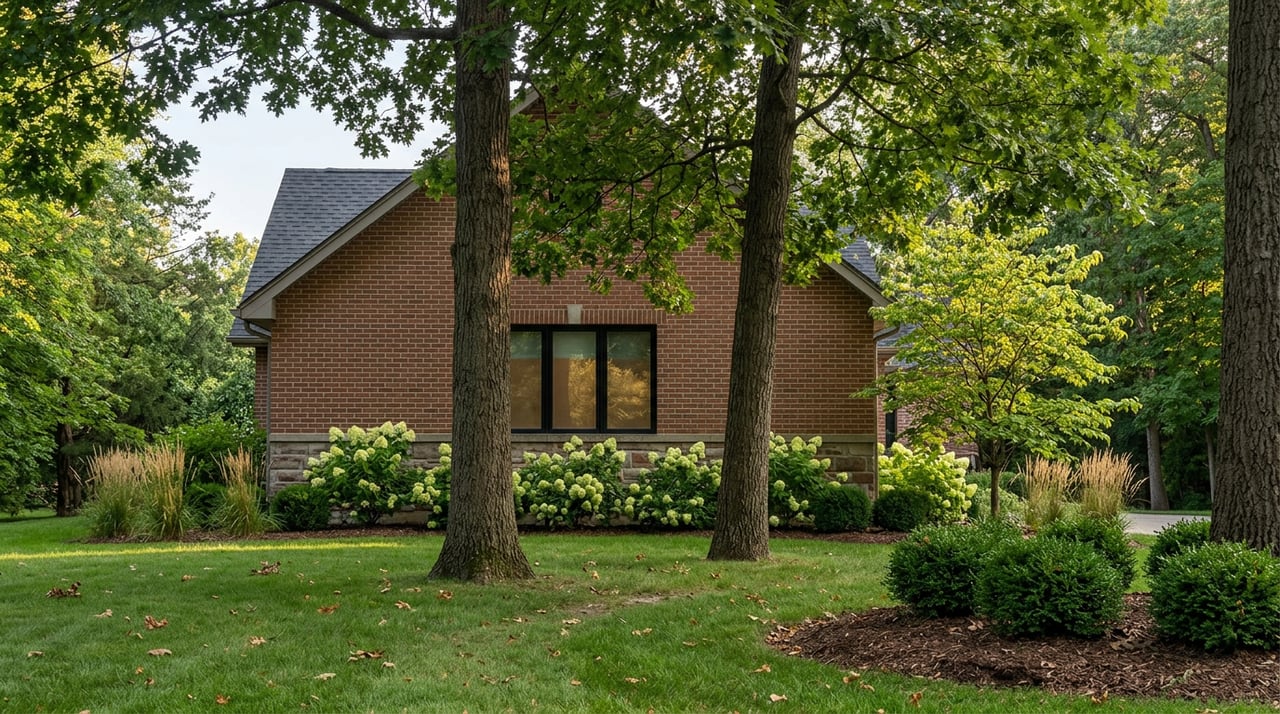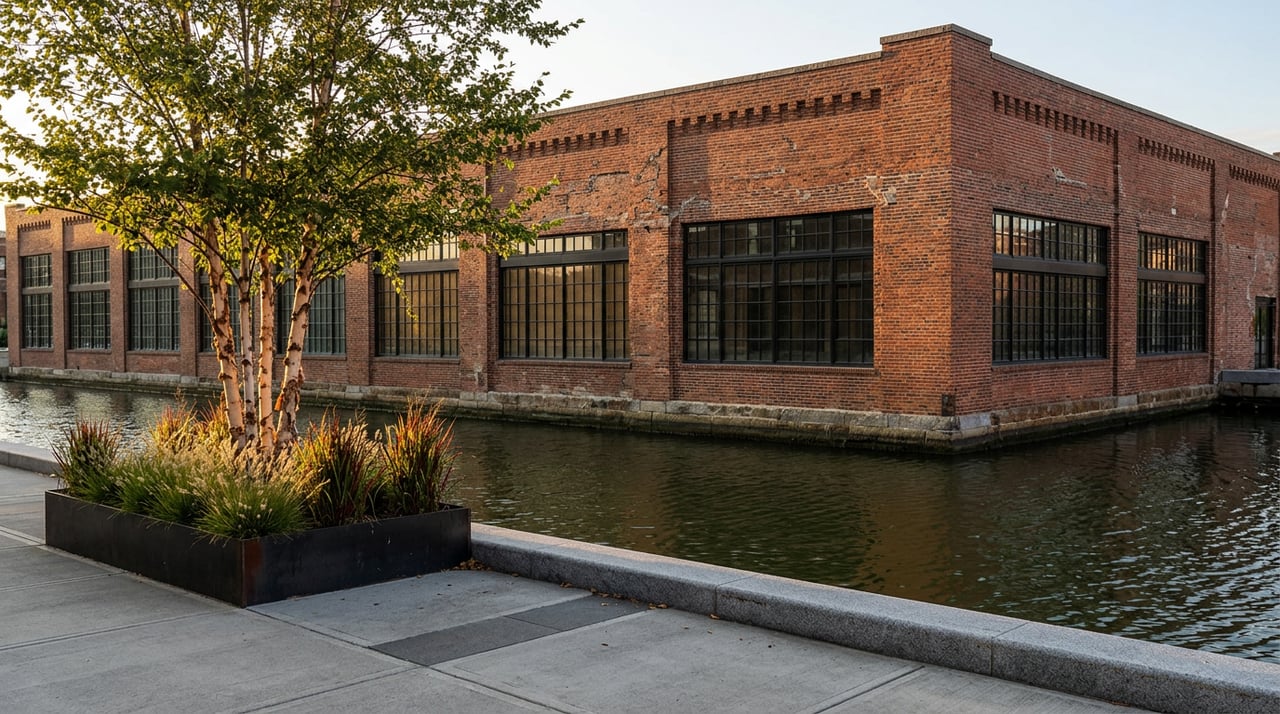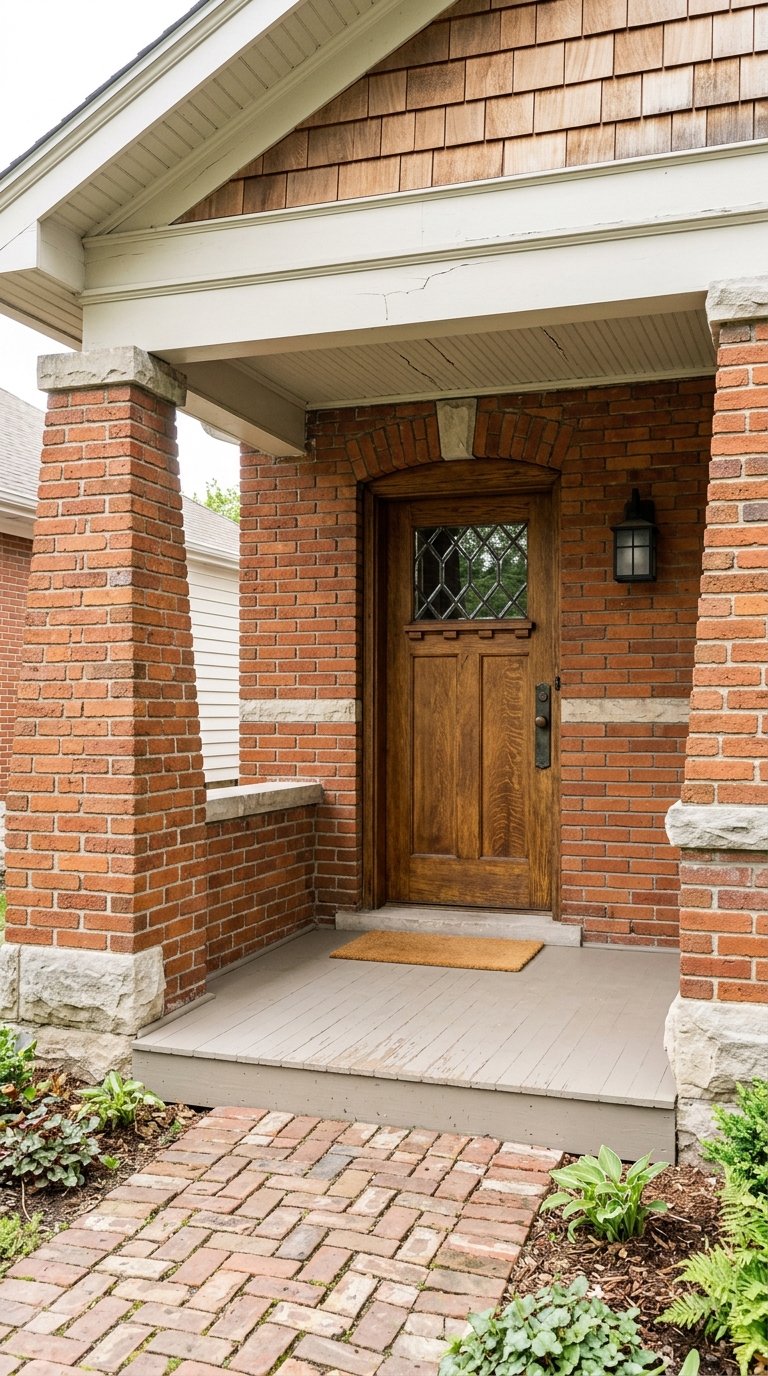
If you are drawn to Cedarburg’s older homes, you are probably noticing more than curb appeal. You are seeing stone walls, steep roofs, elegant porches, and details that reflect the city’s early mill-town roots. Knowing what to look for can help you tour with more confidence, understand a home’s character, and ask better questions before you buy. Let’s dive in.
Why Cedarburg Historic Homes Stand Out
Cedarburg has one of the most recognizable historic settings in southeastern Wisconsin. According to the City of Cedarburg’s history overview, the city was founded in the early 1840s by Irish and German immigrants, still has more than 200 historic buildings, and includes eight National Register listings.
That history shows up clearly in the homes and buildings you see today. The Wisconsin Historical Society’s Cedarburg historic district record notes that the city’s historic heart is defined by nineteenth- and early-twentieth-century buildings, many built with locally quarried limestone or cream-colored brick. In Cedarburg, masonry craftsmanship is not just a detail. It is a major part of the local identity.
Start With Form and Materials
When you tour a historic home in Cedarburg, start with the basic shape before you focus on trim or ornament. The most useful clues are often the home’s massing and roofline, such as whether it is side-gabled, front-gabled, gabled-ell, or hipped.
The Wisconsin Historical Society also recommends looking at character-defining materials and details. In Cedarburg, that often means limestone or fieldstone walls, cream brick, clapboard siding, wood shingles, dormers, bay windows, bracketed eaves, transoms, sidelights, spindlework porches, exposed rafters, or half-timbering.
Many older houses were updated over time with stucco, added wings, or rebuilt porches. Because of that, the original form of the house is often the best clue to its age and architectural style.
Stone Cottages and Early Farmhouses
Some of Cedarburg’s oldest homes are simple, practical stone houses. These homes are often one-and-one-half or two stories tall, with side-gabled or gabled-ell forms and straightforward layouts.
What makes them memorable is the material. Fieldstone and limestone give these homes a grounded, handmade look that connects directly to Cedarburg’s early building traditions. Property records cited by the Wisconsin Historical Society describe examples with features like Greek Revival doors with transoms and sidelights, while others show later Italianate updates.
You may also see signs that these homes changed over time. A stone farmhouse might have a newer porch, stuccoed sections, or additions that reflect decades of use rather than one pure design period.
Greek Revival Homes in Cedarburg
Greek Revival is one of the key mid-1800s styles to know. In general, this style is more orderly and symmetrical, with low-pitched roofs, returned cornices, classical porch elements, and formal front-facing elevations, based on guidance from the Wisconsin Historical Society’s architecture reference.
In Cedarburg, you may not always find textbook Greek Revival houses. Instead, you will often see vernacular homes that borrow Greek Revival details, such as a formal doorway, balanced window placement, or simple classical trim.
That mix is part of the appeal. In smaller Wisconsin communities, builders often blended popular style elements with local materials and practical forms.
Greek Revival details to spot
- Symmetrical front elevation
- Low-pitched roof
- Returned cornices at the roofline
- Entry doors with transoms and sidelights
- Simple classical porch supports or trim
Italianate Homes in Cedarburg
If Greek Revival feels restrained, Italianate tends to feel more decorative. Cedarburg examples often feature bracketed eaves or cornices, tall windows, and more elaborate window and door openings, frequently built in local stone or cream brick, according to the Wisconsin Historical Society architecture guide.
This style appears within the Washington Avenue Historic District and in individual Cedarburg property records. One local example described in the research is a limestone Italianate residence on Columbia Road with bracketed eaves and segmental-arch details.
When you are touring, look up first. The roofline and cornice often give this style away faster than anything else.
Italianate details to spot
- Bracketed eaves or cornices
- Tall, narrow windows
- Segmental-arch window or door openings
- Decorative trim around openings
- Masonry construction in stone or cream brick
Queen Anne Homes in Cedarburg
Queen Anne homes bring the most drama and variety. Rather than strict symmetry, this style favors irregular massing, steep roofs, bays, towers or oriels, mixed surface textures, and decorative woodwork.
The Wisconsin Historical Society architecture guide points to a Cedarburg house on Washington Avenue as a strong example, with wood shingles in the gables, carved details, round-arch windows, a polygonal first-floor oriel, and a side bay. In the Columbia Historic District, Queen Anne houses are also the largest named group, making up about 23% of the inventory, based on the district record.
If a home looks layered, expressive, and full of visual movement, Queen Anne is a strong possibility. This style is often one of the easiest for buyers to recognize because it feels so different from simpler earlier homes.
Queen Anne details to spot
- Irregular shape and asymmetrical façade
- Steep rooflines
- Bay windows, turrets, oriels, or projecting sections
- Decorative shingles and mixed textures
- Spindlework or carved wood trim
Craftsman and Bungalow Homes
As Cedarburg moved into the early twentieth century, Craftsman and bungalow homes became important parts of the local housing stock. In Wisconsin, Craftsman houses are often two-and-one-half stories with broad gable or hip roofs, overhanging eaves, exposed rafters or brackets, prominent chimneys, and open porches with heavy piers, according to the Wisconsin Historical Society architecture reference.
Bungalows are generally the smaller, more horizontal version of the same design language. Cedarburg includes both, including the 1908 Hilgen House, described as one of the city’s finest Craftsman houses, and the 1928 Edwin and Esther Lucht house, recorded as a bungalow.
These homes often appeal to buyers who want historic character with a simpler, more grounded feel. Their wide porches and low-slung rooflines tend to create a welcoming first impression.
Craftsman and bungalow details to spot
- Broad gable or hip roof
- Overhanging eaves
- Exposed rafters or brackets
- Open porch with solid, heavy supports
- Strong horizontal lines
Colonial Revival and English Cottage Styles
Not every older Cedarburg home is rustic or highly ornate. Some early twentieth-century homes reflect more formal revival styles, including Colonial Revival and Georgian Revival.
These homes typically feel balanced and composed, with centered or formal entries, dormers, columns, and restrained ornament. The Leopold E. Jochem House on Washington Avenue is recorded as Colonial Revival/Georgian Revival and includes fluted Doric columns, dentilled eaves, round-arched gable windows, and wood shingles in the gables, according to the Wisconsin Historical Society architecture guide.
English Cottage, sometimes grouped with Tudor Revival influences, feels different. These homes tend to have steep roofs, stucco or brick, half-timbering, and a more compact, storybook look. A Cedarburg house on Columbia Road from 1925 is specifically described as English cottage in style and noted for leaded-glass prairie-style windows and a round-top front door.
Where These Styles Show Up in Cedarburg
If you want to see a broad mix of Cedarburg architectural styles, the Washington Avenue Historic District is one of the best places to understand the local vocabulary. The district record identifies Greek Revival, Italianate, Queen Anne, and vernacular buildings, many built of locally quarried limestone and fieldstone from the 1840s into the early twentieth century.
The Columbia Historic District adds even more variety. There, Queen Anne houses make up the largest named share, followed by bungalows, with additional examples of Greek Revival, Italianate, High Victorian Gothic, Stick Style, Craftsman, Foursquare, English Revival, and Colonial Revival.
For buyers, this means Cedarburg is not a one-style historic market. You can find everything from modest stone houses to highly detailed late Victorian homes and early twentieth-century revival designs.
What Buyers Should Watch For
Historic homes can be rewarding to own, but they usually require more ongoing attention than newer construction. The Wisconsin Historical Society’s preservation guidance recommends regular inspection of windows, masonry, roofs, flashings, paint, and caulk for early signs of wear.
For windows, look for broken glass, failing glazing compound, or signs of rot. The same guidance notes that repaired and weather-stripped original windows can perform as well as replacements, which matters if you value historic integrity.
For masonry, watch for mortar failure, cracking, and moisture issues. The Society advises using mortar that matches the original in look, texture, color, density, and strength, and avoiding modern coverings that trap moisture in original brick or stone.
Smart touring checklist for older Cedarburg homes
- Check the basic form of the house before focusing on later cosmetic changes
- Look closely at stone, brick, and mortar condition
- Notice whether original windows and doors appear intact
- Ask about roof age, flashing, paint, and caulk maintenance
- Look for additions or enclosed porches that may have changed the original design
- Confirm whether the property may be affected by local preservation review
Why Architectural Style Matters When You Buy
Understanding style is not just about labeling a house. It helps you recognize what makes a property special, what features may be original, and where future maintenance costs may show up.
It can also help you compare homes more thoughtfully. A stone cottage, a Queen Anne, and a bungalow may all be historic, but they offer very different layouts, exterior materials, and upkeep needs.
If you are considering a move in Cedarburg, having a local guide matters. At the Kurtin Ryba Group, you can get thoughtful, personalized guidance as you compare neighborhoods, tour historic homes, and decide which style best fits your life and long-term goals.
FAQs
What architectural styles are most common in Cedarburg historic homes?
- Cedarburg historic homes commonly include Greek Revival, Italianate, Queen Anne, bungalow, Craftsman, Colonial Revival, English Cottage, and vernacular stone house examples, according to the Wisconsin Historical Society.
What makes Cedarburg historic homes different from older homes in other Wisconsin communities?
- Cedarburg stands out for its early mill-town history and its strong use of locally quarried limestone, fieldstone, and cream-colored brick, which give many historic homes and buildings a distinctive masonry character.
What should you look for when touring a historic home in Cedarburg?
- Focus first on the home’s form, roofline, and massing, then look for details such as stone or brick walls, bracketed eaves, transoms, sidelights, bay windows, dormers, wood shingles, and porch elements.
What maintenance issues matter most for older Cedarburg homes?
- Key areas to watch include window condition, masonry and mortar, roof and flashing performance, paint, caulk, and any signs of moisture intrusion or deferred exterior maintenance.
What preservation rules may apply to historic homes in Cedarburg?
- Cedarburg has a Landmarks Commission and a Historic Preservation Overlay Zoning District, so some owners may want to confirm how exterior changes or preservation-related reviews could affect a property.