What is the right price for an estate on acres in River Hills? If you price too high, qualified buyers may never walk through the door. If you price too low, you leave money on the table. In a thin luxury market like River Hills, you need a data-backed plan that aligns with what high-net-worth buyers value most.
In this guide, you’ll learn how the River Hills market works, what drives value on estate properties, and how to build a defensible asking price supported by targeted marketing. You’ll also get a practical checklist to prepare before you list. Let’s dive in.
Understand the River Hills luxury market
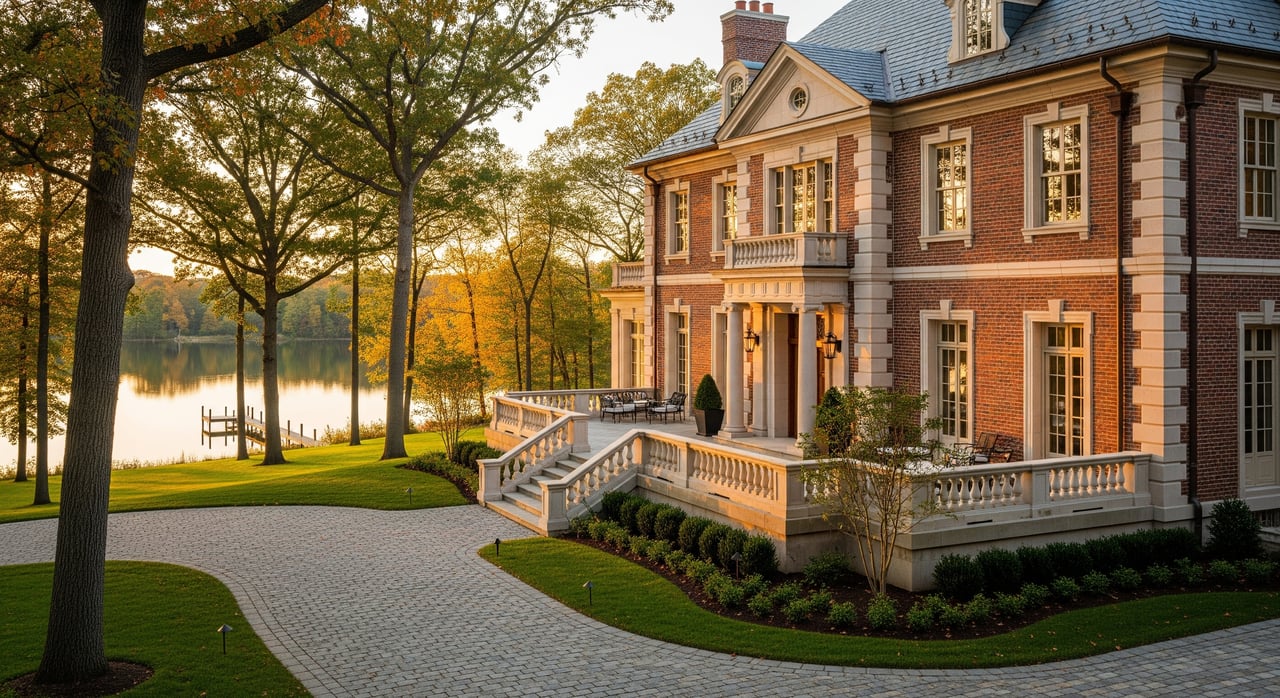
River Hills is a low-density village of large lots, mature trees, and estate homes near Milwaukee. Zoning rules favor big parcels and protect the village’s character, which preserves appeal while limiting supply. The result is a specialized market with few listings at any given time.
Luxury estates here trade in a thin buyer pool. Many buyers are local executives, business owners, and families seeking privacy and land close to the city. Fewer comps mean that individual sales can set pricing reference points for months.
Seasonality matters. Acreage and grounds show best in nicer weather, so timing can influence both showings and perceived value. Plan your launch to capture peak attention and curb appeal.
Know what drives value in River Hills
Acreage and land attributes
Land often leads the price. Buyers place a premium on usable, buildable acres instead of raw acreage that includes wetlands, steep slopes, or deep setbacks. Shape, topography, frontage, and privacy buffers also affect value per acre.
Document your parcel carefully. Commission or gather surveys, wetlands delineations, site plans, and topographic maps. Clear proof of usable land supports price and helps buyers evaluate future plans.
Privacy, access, and setting
Driveway length, tree cover, sightlines, and setbacks from neighbors increase the estate feel. Gated entries and thoughtful fencing can enhance perceived privacy. For many luxury buyers, privacy is a discrete, monetizable attribute.
Architectural quality and provenance
Architect-designed homes, custom details, and superior materials influence both buyer perception and appraiser adjustments. High ceilings, craftsmanship, and thoughtful layouts support stronger pricing. Aging systems or dated layouts can pull value down.
Present strong documentation. Professional condition reports, architectural descriptions, and original plans can help buyers and appraisers understand the home’s quality and replacement cost.
Amenities, outbuildings, and infrastructure
Guesthouses, pool complexes, garages, barns, stables, tennis courts, and similar amenities add value when they are functional and in good condition. Private well and septic, backup generators, and other estate-scale systems also influence price and maintenance expectations.
Be ready with maintenance records, service history, and replacement estimates. Buyers in this segment expect clarity on ongoing costs.
Limited comps and appraisal implications
With few recent estate sales, you may need to expand the comp radius, use older sales, and apply time adjustments. Many advisors also separate land value from improvement value to create a more accurate picture.
Expect variation in valuation opinions. Lender appraisals can be conservative on unique properties, which makes clear, defensible documentation essential during negotiations.
Build a data-driven price
Select and adjust comps the right way
Start with properties that match your acreage, topography, and architectural quality. Expand search criteria carefully if recent local comps are limited. Record why each comp is included and which attributes required adjustment.
Make transparent adjustments. Common categories include acreage, architectural quality, condition and updates, amenity sets, and time or market movement. Support adjustments with cost estimates, notes from contractors, and recent land parcel sales where available.
Practical tip: Create two comp sets. One set serves as marketing “show” comps for buyers. The second is appraisal oriented with a slightly wider net and detailed justification for each selection.
Separate land and improvement values
Break the price into two parts. Value the land first, often on a per-acre or per-buildable-acre basis. Then add the estimated value of the home and outbuildings using replacement cost less depreciation or by comparison to similar homes in nearby areas.
This approach is useful when full estate comps are sparse but you can locate land sales or similar structures elsewhere. It also helps buyers understand what they are paying for.
Use multiple valuation inputs
Compare three inputs: a Broker Price Opinion, a certified appraisal from an expert in estate properties, and a comp-based market analysis. Reconcile the results to a target list price.
For highly custom or historically significant homes, factor in replacement cost and specialist appraisal insight. The goal is a price you can defend with data from multiple angles.
Model price bands and sensitivity
Create a price band analysis. Define low, mid, and aspirational list prices with expected days on market, likely buyer profiles, and the probability of an appraisal gap for each band. This helps you choose a strategy that matches your timeline and risk tolerance.
For example, a market-realistic price can compress time on market and increase competition. An aspirational price may require a longer runway and exceptional exposure to find the right buyer.
Choose the tactic that fits your goals
Three common approaches work in River Hills:
- Market-realistic list price with full exposure. This often shortens time on market and can produce multiple offers when inventory is tight.
- Aspirational list price paired with aggressive marketing. This can test the upper range but requires patience and a willingness to make calibrated adjustments.
- Pocket or quiet listing. Use this when privacy is paramount or an insider buyer is likely. Expect a narrower audience and potentially longer marketing windows.
Marketing that supports your price
Elevate presentation with luxury assets
Professional architectural photography, drone imagery, and a cinematic property film help buyers understand scale, acreage, and setting. Include detailed site plans, boundary maps, and a complete amenities list.
High-quality print pieces for broker previews and private showings reinforce value. In a thin market, superior presentation can materially improve outcomes.
Reach the right buyers and networks
List in the local MLS and leverage brokerage-level luxury distribution channels to reach regional, national, and international buyers. Target direct outreach to top-producing brokers, private wealth networks, and local circles aligned with your home’s lifestyle features, such as equestrian or architectural interests.
Use paid digital targeting to focus on high-intent audiences. Geotargeted ads and interest-based placements can put your estate in front of qualified households.
Use private showings and broker tours
Invite-only previews for vetted buyers and broker tours can build momentum and encourage early soft offers. Control the schedule to protect privacy while maximizing engagement.
Understand how exposure interacts with price
Broader, higher-quality exposure supports a tighter list price because you are more likely to reach the small pool of qualified buyers quickly. Reduced exposure usually pairs with a longer timeline and a wider negotiation range.
Budget for marketing like any investment. If increased spend shortens time on market or lifts the final sale price, it can increase your net.
Manage deal risks and your timeline
Prepare for appraisal and financing hurdles
Unique estates can challenge lenders. Compile a robust valuation file that includes comps, cost estimates, land sales, and renovation history. Be prepared to navigate appraisal gaps and evaluate cash or portfolio-financed buyers.
Have contingency strategies ready. Options include credits, timing adjustments, or price negotiations based on verified cost data.
Resolve legal, physical, and title items early
Confirm easements, rights of way, wetlands or shoreland restrictions, and any conservation easements. Disclose and document them up front. Clear title issues, old liens, or open permits before you launch.
This preparation reduces delays and builds buyer confidence.
Clarify taxes, subdivision, and development potential
Large parcels can carry higher assessed values and property tax bills. If the property might support subdivision or accessory uses, gather municipal guidance on what is allowed. If conserved land exists, document it so buyers understand long-term use limitations.
Position these details clearly so buyers can evaluate both carrying costs and future options.
Set realistic timing expectations
Expect longer marketing windows than mainstream homes. Think in months rather than weeks. Plan decision checkpoints at 60 to 90 days to assess feedback and consider calibrated adjustments.
Align list price, marketing cadence, and your personal timing goals before you go live.
Pre-listing checklist for River Hills sellers
- Obtain a current survey, verify lot lines, and confirm usable acreage.
- Commission a pre-listing condition inspection with repair and upgrade estimates.
- Gather architectural plans, warranties, and maintenance records.
- Order a certified appraisal or consult an appraiser who specializes in estate properties.
- Produce professional photography, video, drone imagery, and accurate site maps.
- Build two comp sets and document your adjustments and rationale.
- Assemble your advisory team: listing broker with luxury experience, appraiser, attorney, and tax advisor if needed.
Bringing it all together
Pricing a luxury home in River Hills is not guesswork. It is a structured process that blends land analysis, architectural quality, and amenity value with market-tested pricing and targeted exposure. When you document the property thoroughly and pair a defensible list price with premium marketing, you create the conditions for a confident sale.
If you would like a tailored pricing plan for your River Hills estate, connect with the Kurtin Ryba Group for a confidential consultation and a free home valuation.
FAQs
What makes River Hills pricing different from other Milwaukee suburbs?
- River Hills has large-lot zoning and a small pool of estate properties, so sales are less frequent and comps are limited. Pricing must lean on detailed documentation and broader comp sets.
How do usable acres affect my home’s price in River Hills?
- Buyers pay more for buildable, accessible land. Wetlands, floodplains, and setbacks reduce usable acreage and can lower value per acre.
Should I price high to leave room for negotiation?
- An aspirational list price can work with exceptional marketing, but it often requires more time. A market-realistic price can compress days on market and attract multiple offers.
How do I handle a potential appraisal gap on an estate property?
- Prepare a valuation file with comps, land sales, cost estimates, and renovation history. Be ready to negotiate, offer credits, or evaluate cash and portfolio-financed buyers.
What marketing elements matter most for River Hills estates?
- Architectural photography, drone video, site plans, and targeted distribution to luxury networks and vetted buyer circles are essential to reach the right audience.
When is the best time to list a River Hills estate?
- Many sellers aim for seasons when grounds present best. Launch timing should align with your property’s curb appeal, buyer patterns, and your personal timeline.
Do I need both a broker opinion and an appraisal?
- Using multiple inputs improves confidence and negotiation power. A broker opinion, a certified appraisal from a luxury specialist, and a comp-based analysis provide a strong foundation for pricing.