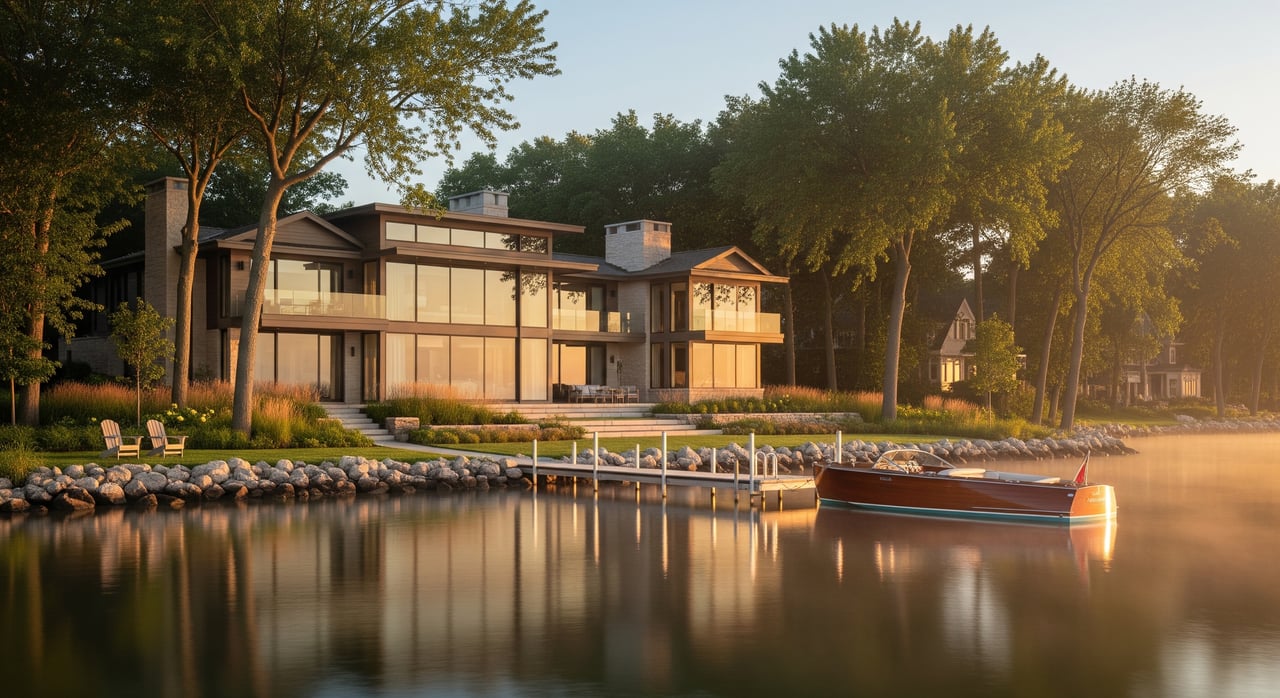
Dreaming of waking up to Lake Michigan sunrises or winding down with calm water views after work? If you are looking at lakefront homes in Mequon, you are not alone. Inventory is limited and the details can feel complex, from bluff stability to permits and insurance. In this guide, you will learn what matters most on Mequon’s shoreline, how to evaluate lots and structures, and the right questions to ask before you write an offer. Let’s dive in.
Why buy lakefront in Mequon
Mequon sits on the western shore of Lake Michigan in Ozaukee County and offers a rare blend of privacy, natural shoreline, and access to the Milwaukee metro. You will find a mix of direct Lake Michigan frontage and homes along smaller inland waters like streams, ponds, and wetlands. Waterfront listings are scarce and turnover is slow compared to non-waterfront homes, so it pays to be ready when the right property appears. Expect trade-offs like higher upkeep and insurance in exchange for views, access, and long-term lifestyle value.
Lake Michigan vs. inland water
Not all waterfront is the same. Along Lake Michigan, you will see custom homes and remodeled classics designed to maximize views and handle lake weather. Lots often include bluffs, low banks, sandy or cobble beaches, or riprap and seawalls for protection. On smaller inland waters, you will find suburban styles backing to ponds, streams, or wetlands where docks may be simpler and wave action is lower.
Lake Michigan frontage offers big-water recreation and dramatic scenery. It can also bring stronger winds, wave energy, ice, and stricter dock and shoreline rules. Inland waters can offer quieter paddling, wildlife viewing, and easier dock installation, but they may limit power boating and carry wetland setbacks.
Lot and shoreline features that matter
Every lakefront lot is unique. Focus on these features to understand utility and long-term value:
- Frontage width and lot shape. Wider frontage typically means better privacy, wider view corridors, and more placement options for structures and outdoor living areas. Narrow, deep lots can pinch views and limit access points.
- Shoreline slope. Steep bluff lots often need stairs or lift systems to reach the water. They can require engineering and trigger more permitting. Low-slope or walk-out lots may offer easier access but can sit closer to flood-prone areas.
- Soils and drainage. Clay, sand, or organic soils affect foundation design, septic suitability, and the kind of shoreline stabilization that will work. Poor drainage near the bluff edge can accelerate erosion.
- Vegetation and trees. Mature trees can help with privacy and windbreaks. Trees too close to a bluff may need management due to root and erosion concerns.
- Easements and access. Some properties include deeded or community access instead of private shoreline. On Lake Michigan, the public typically has rights below the ordinary high-water mark. Ask for a current survey to understand boundaries.
Access, docks, and boating
Private docks on Lake Michigan are more complex due to waves, water level changes, ice, and permitting. Some sites can accommodate seasonal or engineered systems, while others cannot. Docks on smaller inland waters are often more feasible but may still require local or county permits.
If a property cannot support a private dock, look at nearby public launches, marinas, or storage options to keep your boating plans practical. When touring, examine existing docks or lifts for corrosion, wear, and permit history.
Utilities, sewer, and septic
Not all waterfront parcels connect to municipal sewer. Some rely on private septic systems based on soils, setbacks, and local health codes. If the home uses septic, verify the system’s age, last inspection or pumping, and whether the lot has room for a future replacement area.
Confirm utility locations and any easements that cross the lot. Drainage patterns, sump pump discharge, and downspout routing matter on bluff properties, where directing water away from the edge can help manage erosion risk.
Rules, permits, and who regulates what
Waterfront improvements are regulated to protect shoreline stability and water quality. Expect involvement from several authorities:
- Wisconsin Department of Natural Resources. Oversees shoreland zoning standards, permits for docks and shoreline stabilization, and protections for Great Lakes and inland waters.
- Ozaukee County. Manages shoreland and wetland ordinances and erosion control requirements. Additional county zoning rules may apply.
- City of Mequon. Handles local zoning, building permits, and sewer or septic regulations. Bluff setbacks or shoreland overlays may affect what you can add or modify.
- Federal agencies and FEMA. Certain projects in navigable waters or wetlands may involve the U.S. Army Corps of Engineers. Floodplain rules and mapping through FEMA can affect insurance and improvements in Special Flood Hazard Areas.
Common triggers for permits include work below the ordinary high-water mark, building or repairing seawalls and riprap, adding or modifying docks and boathouses, major grading, and septic replacement in shoreland zones. Expect to provide engineered plans for bluff protection and erosion control.
Risk, maintenance, and insurance
Shoreline homes face more exposure to wind, waves, freeze-thaw cycles, and storm events. Plan for ongoing maintenance and periodic capital projects:
- Shoreline stabilization. Riprap and seawalls need routine inspection and repairs after storms and seasonal cycles. Vegetated buffers require care to remain effective.
- Docks and lifts. Seasonal installation and removal, hardware corrosion, piling wear, and ice damage are common.
- Trees and exteriors. Tree management helps reduce storm risk near bluffs. Roofs, siding, and finishes can wear faster in exposed locations.
Insurance needs can be different than for non-waterfront homes. Properties in mapped flood zones typically require flood insurance for mortgage financing. You may also see higher premiums for wind, hail, or liability related to docks and shoreline structures. Ask the seller about past claims and verify current coverage and requirements.
Budgeting for long-term costs
It is smart to plan for both annual upkeep and larger capital projects that may come up over years of ownership. Shoreline stabilization and seawall repairs vary widely in cost and often require engineered designs and permits. If the property uses a septic system near the shore, replacement can be complex and costly due to setbacks and soil limits.
When a shoreline looks stressed or a seawall is older, consult a shoreline or coastal engineer before closing. If you fall in love with a steep bluff lot, budget for safe and code-compliant access to the water, whether that means engineered stairs, landings, or lift solutions.
Smart paperwork to request
Before you commit, ask for documents that reduce surprises and help you price risk correctly:
- Recent survey that shows the ordinary high-water mark, property lines, and any easements.
- Permits and final approvals for shoreline work, docks, boathouses, and stairs.
- Shoreline engineering reports or contractor invoices for past stabilization projects.
- FEMA flood zone designation and an elevation certificate if available.
- Utility maps and septic records. Confirm municipal sewer connection or septic inspection history and capacity.
Your tour-day checklist
Use these questions as a quick reference at showings:
- What is the exact property line near the water, and does the survey show the ordinary high-water mark?
- Are there recorded easements, rights-of-way, or public access points that affect privacy or use?
- What permits exist for seawalls, riprap, docks, or stairs, and are they on file with the city or state?
- Has the property experienced flooding, shoreline loss, or storm damage? Are there elevation certificates or photos?
- Is the home on municipal sewer or a private septic system? If septic, when was it last inspected or pumped?
- Have there been recent stabilization efforts, and are engineering reports or maintenance records available?
- Are there zoning overlays, shoreland setbacks, or bluff setback rules that affect future plans?
- What insurance is currently in place, and have there been any water or storm-related claims?
Lifestyle trade-offs to weigh
Waterfront living delivers views, privacy, and direct recreation. In exchange, you will face higher maintenance, added permitting steps, and potential insurance requirements. Lake Michigan offers big-water experience with more exposure to wind, waves, and ice. Inland waters offer calmer settings with different activity limits and wetland protections.
Your best fit comes from matching your desired lifestyle to the lot type, shoreline conditions, and the practical realities of care and cost. A clear plan at the start will keep your search focused and your ownership experience smooth.
How our team helps you buy with confidence
You deserve a guide who understands Mequon’s shoreline and the steps it takes to protect your interests. Our local process focuses on:
- Strategy for limited inventory. We track new and off-market opportunities and move quickly when the right fit appears.
- Due diligence coordination. We connect you with trusted surveyors, shoreline engineers, septic inspectors, title professionals, and permit offices so you get clear answers fast.
- Offer and negotiation. We align price, contingencies, and timelines with what the shoreline and structure truly require.
- Relocation support. If you are moving for work or on a tight timeline, we streamline showings, inspections, and closing to fit your schedule.
Ready to explore Mequon lakefront homes with a clear plan? Reach out to the Kurtin Ryba Group for personalized guidance and a calm, step-by-step path to the water.
FAQs
What lakefront types will I see in Mequon?
- Along Lake Michigan you will encounter bluffs, low banks, sandy or cobble beaches, and protected stretches with riprap or seawalls; inland frontage often borders ponds, streams, or wetlands with vegetated banks.
How do permits work for docks and seawalls on Lake Michigan?
- Work below the ordinary high-water mark and most shoreline structures typically require permits through the state and local authorities, and many projects need engineered plans and erosion control measures.
Do Mequon lakefront homes require flood insurance?
- If a property lies in a mapped Special Flood Hazard Area and you use a mortgage, flood insurance is usually required; verify with FEMA maps and ask for an elevation certificate.
What long-term costs should I expect on the shoreline?
- Budget for periodic seawall or riprap repairs, vegetation maintenance, dock and lift upkeep or replacement, and potential septic system updates if not on municipal sewer.
What is the ordinary high-water mark and why does it matter?
- The ordinary high-water mark generally separates private property from the public trust area on Lake Michigan and helps determine where private structures can be placed and which permits are needed.
Are private beaches truly private on Lake Michigan in Wisconsin?
- Owners typically control the upland above the ordinary high-water mark, while the area below it is generally held in trust for public use; a survey clarifies the boundary.
Can I add stairs on a bluff lot in Mequon?
- Stairways and access structures on bluff lots often require permits, engineering, and compliance with setback and safety standards; feasibility varies by site.
What should I ask about septic systems on waterfront lots?
- Confirm whether the home uses municipal sewer or private septic, request inspection and pumping records, and verify space for a future replacement area under local health codes.